
 QUICK PICKS: CONCEALERS I REACH FOR
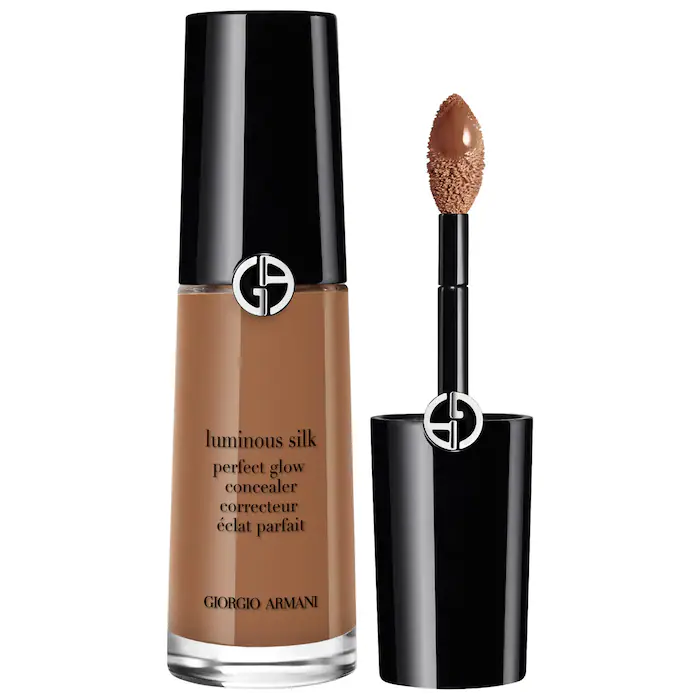
- Best Natural Finish: Armani Luminous Silk Concealer
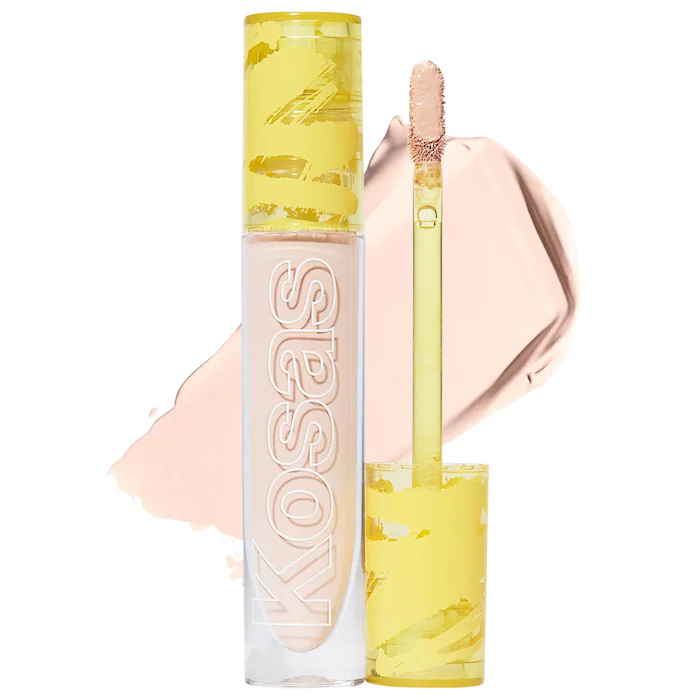
- Best Hydrating Concealer: Kosas Revealer Concealer
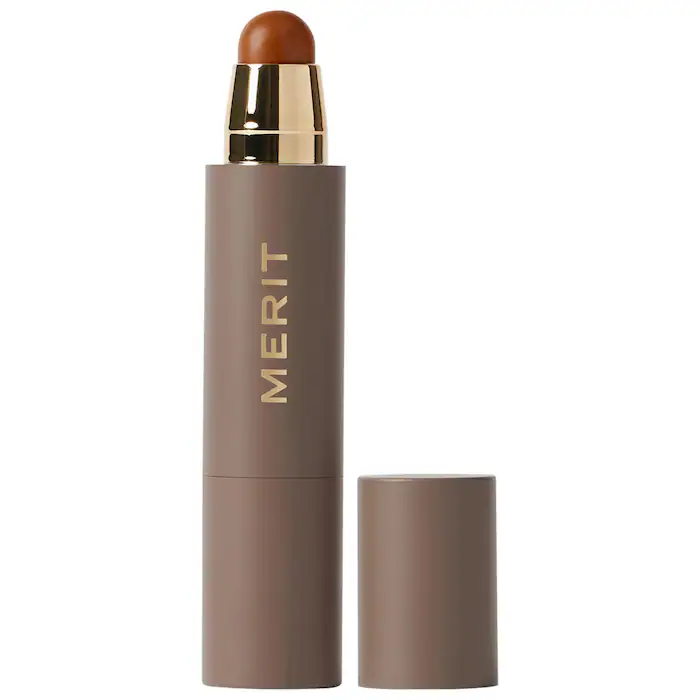
- Best Multi-Use Stick: Merit Minimalist Perfecting Complexion Stick
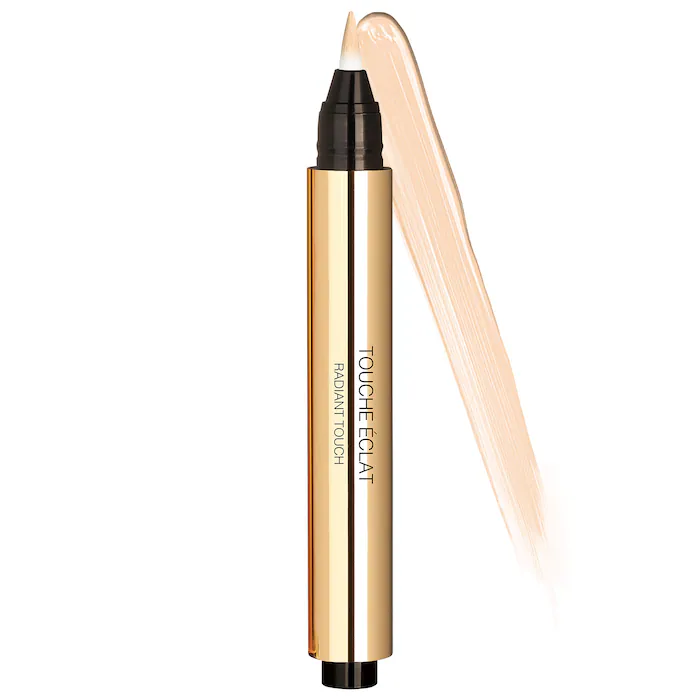
- Best Brightening Pen: Yves Saint Laurent Touche Éclat Concealer Pen
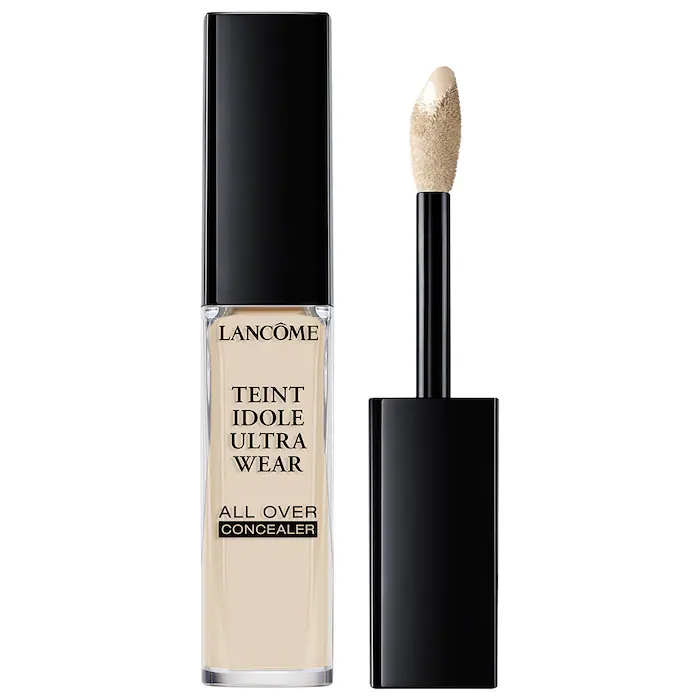
- Best Long-Wear Coverage: Lancôme Teint Idole Ultra Wear All Over Concealer
There’s nothing like a great under-eye concealer to instantly brighten your face. A few small taps can make you look more rested, polished, and put together in seconds.
But if you’ve ever checked the mirror a few hours later and noticed your concealer settling into fine lines, you already know how frustrating creasing can be.
The reality is that the under-eye area naturally moves throughout the day. Smiling, blinking, and facial expressions all contribute to creasing. As someone in my 40s, I’ve also noticed that concealer placement and product choice matter more than ever. The wrong formula or too much product can instantly make the under-eye area look heavier instead of brighter.
The good news is that creasing isn’t inevitable. With the right prep, placement, and formulas, you can keep your under-eye concealer looking smooth and natural.
Here are the techniques that make the biggest difference.
-
Start With Lightweight Eye Hydration
Before concealer ever touches your skin, hydration is key.
A lightweight eye cream helps soften the delicate under-eye area and prevents concealer from clinging to dry patches. The important part is letting the product fully absorb before applying makeup.
One trick makeup artists often use is applying eye cream first, finishing the rest of the face makeup, and then coming back to concealer once the eye area has settled.
If the skin feels too emollient, gently pressing a tissue under the eyes removes excess product while keeping hydration intact.
-
Choose a Flexible, Lightweight Concealer Formula
Heavy formulas tend to crease more because they sit on top of the skin rather than moving with it.
Over time, I’ve realized that lighter, skin-like concealers perform much better for my under-eyes. My personal favorite is the Armani Luminous Silk Concealer, which blends beautifully and never feels thick.
Other formulas I reach for, depending on the day, include:
- Kosas Revealer Concealer for a hydrating, natural finish
- Lancôme Teint Idole Ultra Wear All Over Concealer when I want more coverage
The key is choosing a formula that looks like skin rather than makeup.
-
Apply Concealer Only Where You Need It
One of the biggest mistakes people make is applying concealer across the entire under-eye area.
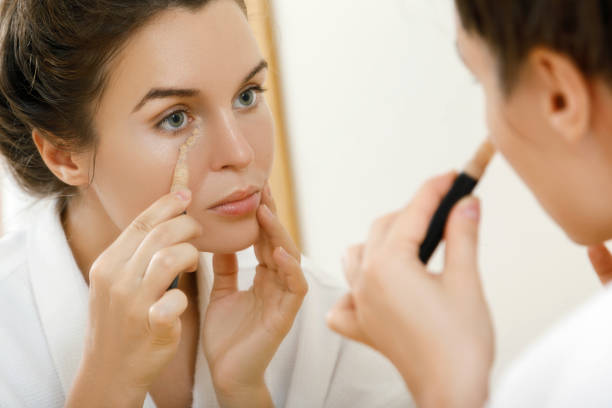
Instead, focus on where darkness naturally appears—usually the inner corner of the eye.
Apply the product there and blend outward toward the orbital bone. This keeps the area looking lifted and prevents excess product from settling into fine lines.
For mature skin, less product almost always looks better.
-
Use the Right Tools for Blending
How you blend concealer matters just as much as the formula itself.
Many makeup artists recommend applying concealer with a small brush and then gently pressing it into the skin with your fingertip. The warmth of your finger helps melt the product into the skin for a more natural finish.
Always use the ring finger, which applies the lightest pressure and avoids pulling on delicate skin.
-
Build Coverage Slowly
Instead of applying a thick layer all at once, work in thin layers.
Start with a small amount of product and build coverage gradually if needed. This technique prevents the heavy buildup that often leads to creasing.
For everyday makeup, I prefer a soft, brightened effect rather than full coverage.
-
Avoid Applying Concealer Too Close to the Lash Line
It might seem like applying concealer right up to the lower lashes will give better coverage, but it often does the opposite.
Products placed directly along the lash line tend to collect in fine lines and crease quickly.
Instead, blend upward toward the lash line rather than placing product directly there.
-
Remove Excess Product Before It Sets
A simple trick that makes a big difference is gently blotting the under-eye area after applying concealer.
Pressing a thin tissue or blotting paper over the skin removes excess oils and product while leaving the pigment behind. This helps prevent buildup that could settle into lines later.
-
Set Concealer Lightly (Skip Heavy Baking)
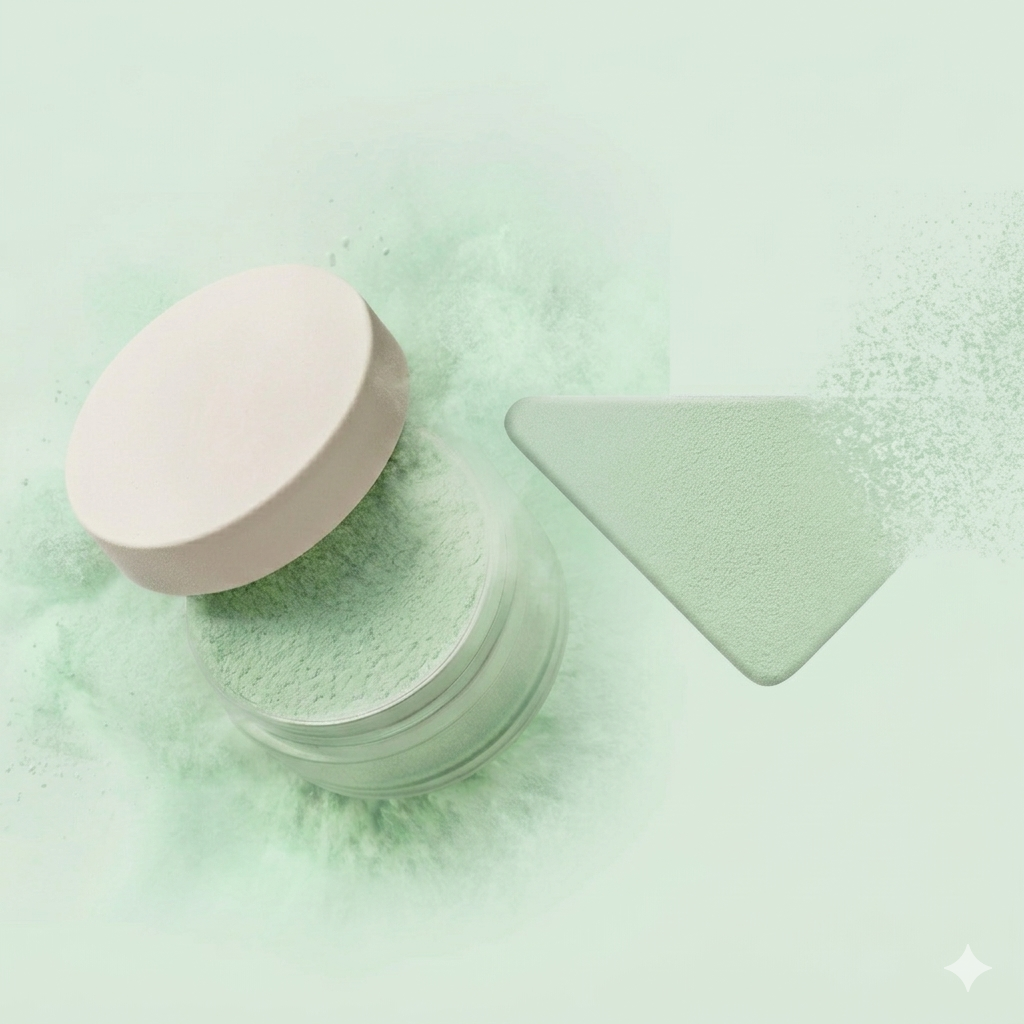
Setting concealer can help minimize creasing, but the key is using very little powder.
Baking—where thick layers of powder sit under the eyes for several minutes can easily look dry or cakey, especially on mature skin.
Personally, I skip baking entirely. In my 40s, I find that too much powder actually makes the under-eye area look heavier.
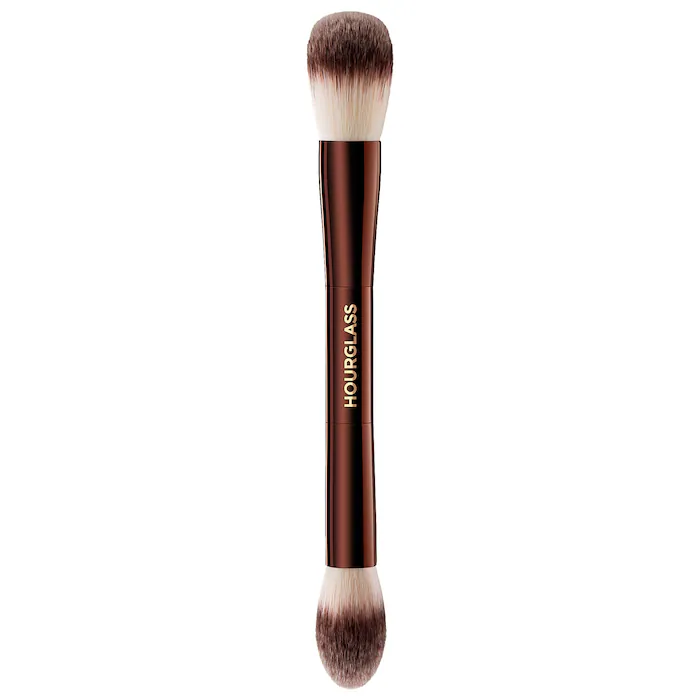
Instead, I lightly set concealer with a small fluffy brush and a minimal amount of powder. The goal is simply to lock the product in place without taking away the natural skin finish.
Final Thoughts
Under-eye concealer can make a huge difference in how refreshed your makeup looks, but only when applied strategically.
For me, the biggest improvements came from using lighter formulas, applying less product, and focusing on placement. When I do reach for concealer, the right technique keeps it looking smooth and natural throughout the day.
And honestly, some days I skip it entirely. But when I do wear it, these small adjustments make all the difference.
More Under-Eye Concealer Questions Answered
Why does concealer crease more as we get older?
As skin matures, the under-eye area naturally becomes thinner and drier. This means heavy formulas or too much powder can settle into fine lines more easily. Choosing lightweight concealers and applying thinner layers helps keep the finish smoother.
Should you apply concealer before or after foundation?
Most makeup artists recommend applying concealer after foundation. This allows you to see exactly where extra coverage is needed and prevents applying more product than necessary.
Is powder necessary to stop concealer from creasing?
Not always. Some hydrating concealers set naturally on their own. If you do use powder, a very small amount applied with a fluffy brush is usually enough to prevent creasing without creating a dry or cakey finish.
What is the best concealer placement for mature skin?
Strategic placement is key. Apply concealer primarily to the inner corner of the eye where darkness appears, then blend outward toward the orbital bone. Avoid covering the entire under-eye area with product.
FAQ
Why does my concealer crease under my eyes?
Creasing usually happens when too much product is applied or when the formula is too thick for the delicate under-eye area. Fine lines and natural facial movement can also cause makeup to settle throughout the day.
What is the best way to apply concealer without creasing?
Apply a small amount to the inner corner of the eye, blend outward, and build coverage gradually. Finish with a light dusting of powder if needed.
Should I use eye cream before concealer?
Yes. Hydrated skin helps concealer apply smoothly and prevents it from clinging to dry patches. Just make sure the eye cream has fully absorbed before applying makeup.
Is baking good for mature skin?
Baking can work for stage or photo makeup, but it often looks heavy on mature skin. A light dusting of powder is usually a better option for keeping concealer in place.
Editorial Disclaimer
This article is for informational and editorial purposes only. Product recommendations reflect personal experience and research.
Facetocurls Editorial Signature
Tested and reviewed by Ann-Marie Cato, founder of Facetocurls, where she covers luxury fragrance and beauty with a focus on modern femininity and intentional living.